


|
|
One of the challenges of our research is to move from analysing the past to predicting future trajectories. |
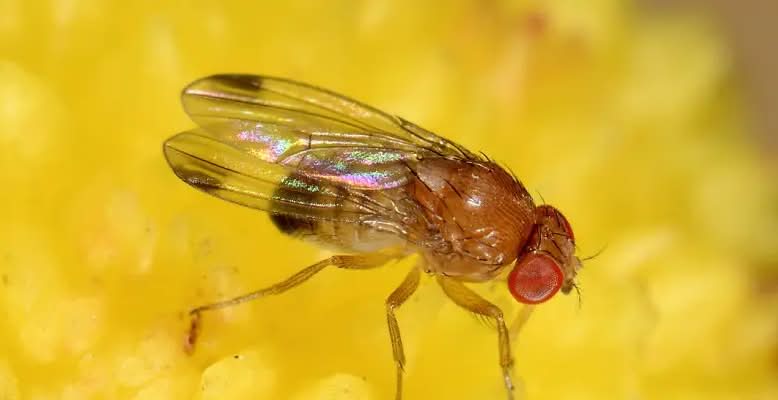
Our research focuses on contemporary population evolution. We are conducting general research aimed at gaining a better understanding of the demographic and adaptive processes currently at work in invasive and/or pest insects and their natural enemies.
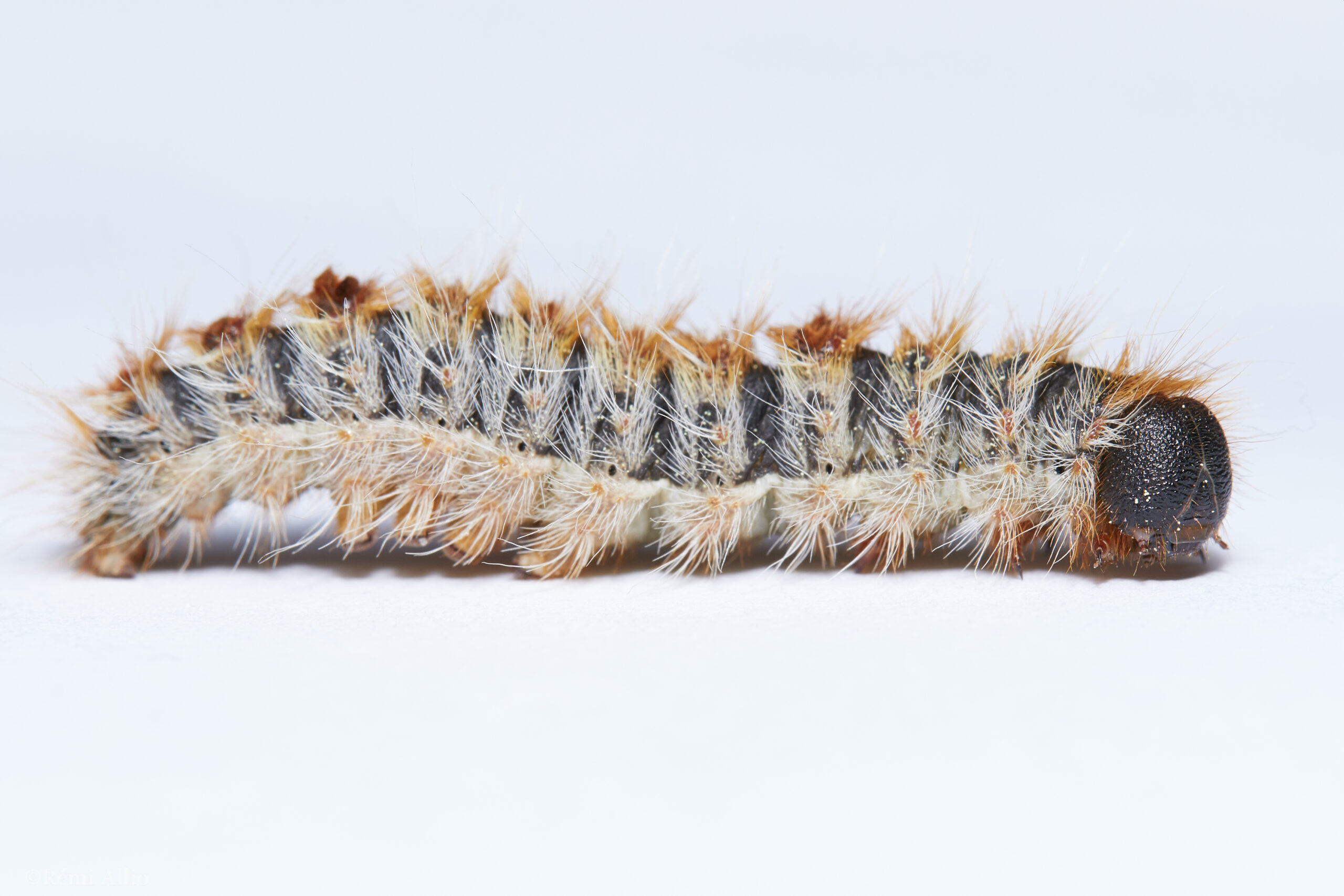
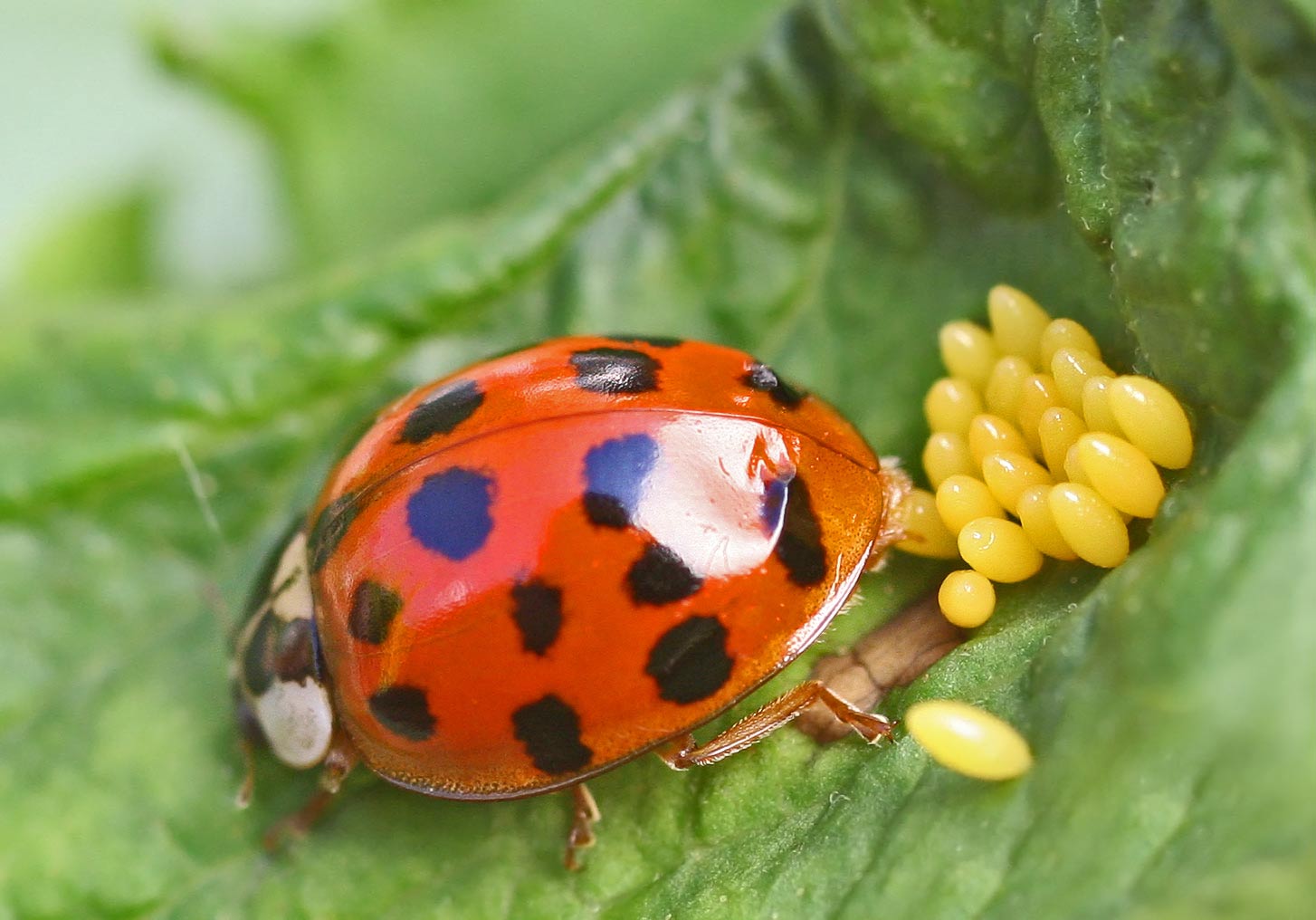
This knowledge will ultimately help us develop decision-support tools for agroecological pest management, and we are currently leading (PARSADA OPTIMISTII) or contributing (PARSADA ASAP, PARSADA ISULA) several projects with direct practical applications. We work on several insect model organisms of interest, belonging mainly to the orders Diptera (e.g. Drosophila suzukii, Ceratitis capitata), Coleoptera (e.g. Harmonia axyridis, Ips sexdentatus) or Lepidoptera (e.g. Spodoptera frugiperda, Thaumetopoea pityocampa).
Our research draws on expertise in population genetics, quantitative genetics, evolutionary biology, behavioural ecology, eco-physiology, bioinformatics and statistical learning.
For many years, we have been conducting methodological research aimed at inferring the demographic history of populations from genomic data, which has resulted in the release of several analytical software packages.
In a context where the growing volume of genomic data allows for the estimation of increasingly complex scenarios, our aim is, in particular, to jointly estimate various demographic parameters (e.g. population densities, dispersion) as well as their recent dynamics.
Our aim is therefore to understand the recent and even current functioning of populations, in order to provide relevant information for the implementation of management strategies. To improve these estimates, we are exploring new sampling approaches, such as those utilising time series of genomic data or the combination of genetic data and demographic monitoring.
Beyond demographic aspects, a central focus of our research is to understand how insect populations respond, sometimes very rapidly, to changes in their environment.
One way of addressing this question within the research area is to seek to characterise the genetic basis of adaptation. We possess strong methodological expertise in the detection of adaptive variants and genotype-environment association (GEA) approaches. Identifying these variants enables us to better understand the biological mechanisms underpinning adaptation, but also to propose genomic prediction models of the adaptive potential in a new environment that can be applied to anticipate biological invasions or adaptive responses to climate change.
We are also studying the impact of genetic burden on the adaptive potential of populations. In all this work, we are increasingly seeking to incorporate new markers such as structural variants and transposable elements.
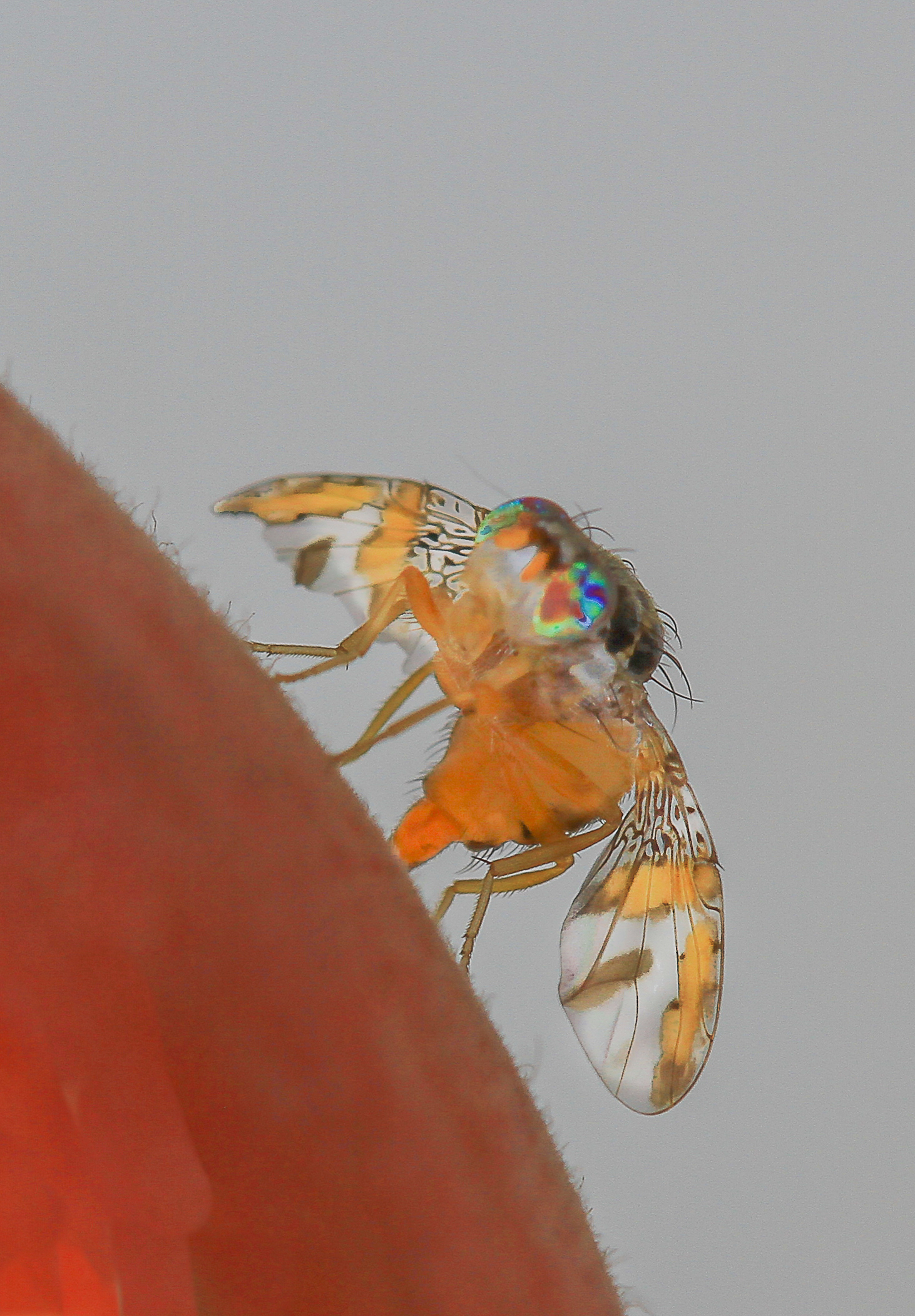
In order to refine our understanding of the mechanisms by which insects adapt to their environment, we also study in the laboratory several fitness related traits of our main biological models (oviposition choice, fertility, larval viability, adult survival, tolerance to environmental stresses, etc.).
Drawing on our complementary expertise in genetics and evolutionary ecology, we quantify the heritability and genetic architecture of these traits, as well as the contribution of phenotypic plasticity to selective value. In particular, we examine the role of the microbiota in the adaptive plasticity of polyphagous pests, taking into account the three-way interaction between insects, microbiota and host plants.
This research aims to characterise the effectiveness and sustainability of new management strategies (e.g. attraction-repulsion strategies, Insect Incompatibility Technique), by linking rapid adaptation to the dynamics of pest populations. It relies largely on experimental setups (common gardens, experimental evolution, automated phenotyping, synthetic microbial communities) established on the GABP platform, in which we are heavily involved.
Project managers: Myriam Siegwart (PSH, INRAE-Avignon) & Benoit Facon (coordination)
Funding: PARSADA – FranceAgriMer
ASAP aims to slow down the adaptation of pests to current control methods. It anticipates, monitors, and seeks to prevent these evolutionary processes, working in close partnership with agricultural sectors in sensitive situations such as potato late blight, weeds, or aphids in arable crops, as well as the loss of effectiveness of mating disruption in orchards, among others. The announced withdrawal of 75 active substances (AS) from the pesticide market is likely to result in a significant shift in selection pressure toward the remaining control methods. The limited number of effective solutions weakens the resilience of our agricultural system, which could at any moment be disrupted by the emergence of resistance to a control method or to a key plant protection product (PPP) lacking any alternative.
In this project, we propose to slow down pest adaptation to control methods by anticipating, monitoring, and managing these evolutionary processes. Managing resistance therefore means no longer passively enduring it, but actively addressing these phenomena in order to limit their consequences. This project combines field monitoring approaches with more fundamental research, particularly on the evolution of resistance mechanisms to new control methods.
It brings together 7 INRAE research units (PSH, Bioger, Agroécologie, ISA, CBGP, iEES, IGEPP) and 2 Anses research units, as well as 11 technical institutes (Arvalis, Terres Inovia, ITB, IFV, GRCETA Basse Durance, Itab, IT2, Unilet, Fnams, Iteipmai, APEF).

Project holder (coordination WP) : Charles Perrier
Funding: Région Occitanie
This interdisciplinary project aims to study the determinants of the local adaptation of an invasive fish species to cocktails of environmental stresses, including aquatic pollution. A working group coordinated at CBGP is using population genomics to study the genomic basis of local adaptation and the demographic history of the expansion and its effects on adaptation and genetic burden.
https://biodivoc.edu.umontpellier.fr/recherche/projets-consortium/projet-de-consortium-gamboc/